


The phenomenon of overconsumption is most evident in the “restock” and “haul” videos that often dominate our feeds.
Instead of being content with one functional item, social media fosters a “collector” mentality that makes us feel like we’re “besieged” if we don’t have the latest version.
A simple 40-ounce cup became a status symbol, leading students to buy dozens in different colors.
“Get ready with me” videos often show off a dozen blushes or concealers, making it seem like a single product is totally insufficient.
Items like the Labubu use “scarcity marketing” to make us keep buying more.
Social media thrives on interpreting what a successful lifestyle looks like.
When an influencer shares a haul they aren’t just showing stuff; they are trying to persuade us that we need these things to belong.
The “we” of the internet, which that feeling that everyone is doing it, creates a weird reality where owning 15 water bottles seems logical.
This “we vs. they” attitude often separates people who are “in” from those who are “behind,” pressuring us to keep up with every single fad.
Many of these trends are just moments of fame that make it hard to see the actual value of what we’re buying. As students, we need to look at the “validity and ramifications” of a topic before we jump on the bandwagon.
Instead of blindly trusting influencers for the next viral product, we should try to see through the spotlight they place on new products we do not need.
A good, balanced approach to spending requires looking at the “supporting proof” of why we actually need something.
We must realize that our social feeds are often treated like a propaganda device rather than a true source of information.
When we scroll, we are being lectured to by influencers who act like they are giving the paper an opportunity to express ideas that aren’t actually beneficial to the student body.
This environment makes it hard to distinguish between a genuine recommendation and a “sermon” on what we are “supposed to think.”
If we aren’t careful, our rooms become physical reflections of a dump where we own everything but value nothing.
According to Vox, TikTok’s algorithm is specifically tuned to amplify these “micro-trends,” ensuring that as soon as one aesthetic dies out, another is ready to take its place.
This creates a state of permanent dissatisfaction where the consumer is always one purchase away from “completing” a look that will be obsolete by next Tuesday.
The goal here isn’t to call out anyone who likes these products, but to make our situation better by being a little more analytical.
As we scroll, we have to remember that every image is designed to “win” us over to the seller’s side.
We should leave the “scrolling storefront” with something to actually think over before we hit “add to cart.”
Ideally, every purchase we make should be based on logic, a sense of balance, and supporting proof, rather than just trying to match a fasion we saw on a screen.
Whether it is 18-year-olds registering to vote or students deciding not to buy a twelfth concealer, our choices should reflect our own needs, not just the “official stance” of the algorithm.
By keeping track of our needs and staying focused on what we are trying to acheive, we can avoid the “we vs. they” trap and stay consumed with purpose.
Social media blurs line between wants, needs
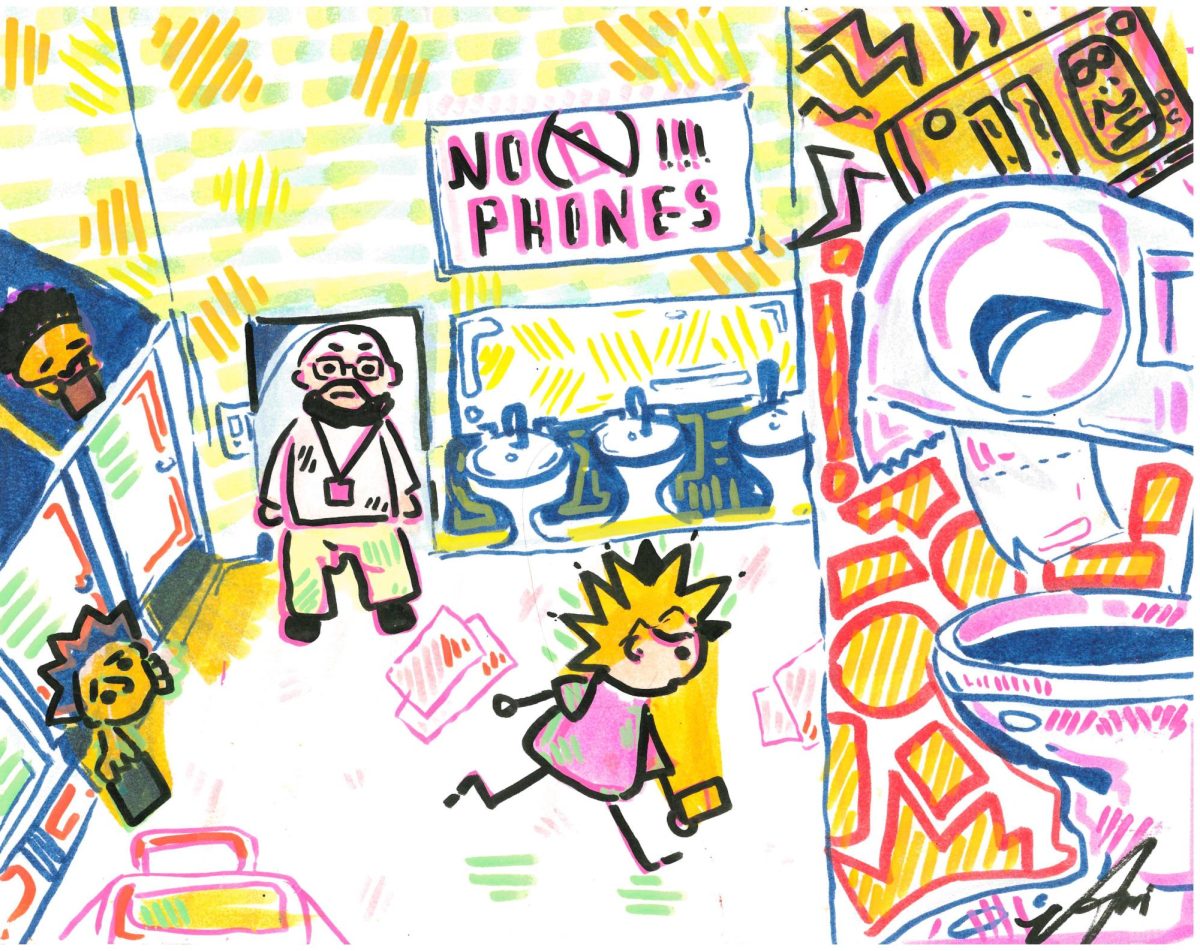
By creating a digital storefront that pushes viral “must-have” items, social media pressures us to buy things we don’t need. This constant cycle of “hauls” and “restocks” turns basic products into status symbols, making overconsumption feel like a requirement for belonging.
More to Discover





About the Contributor

Aimal Ahmad, Design Editor