

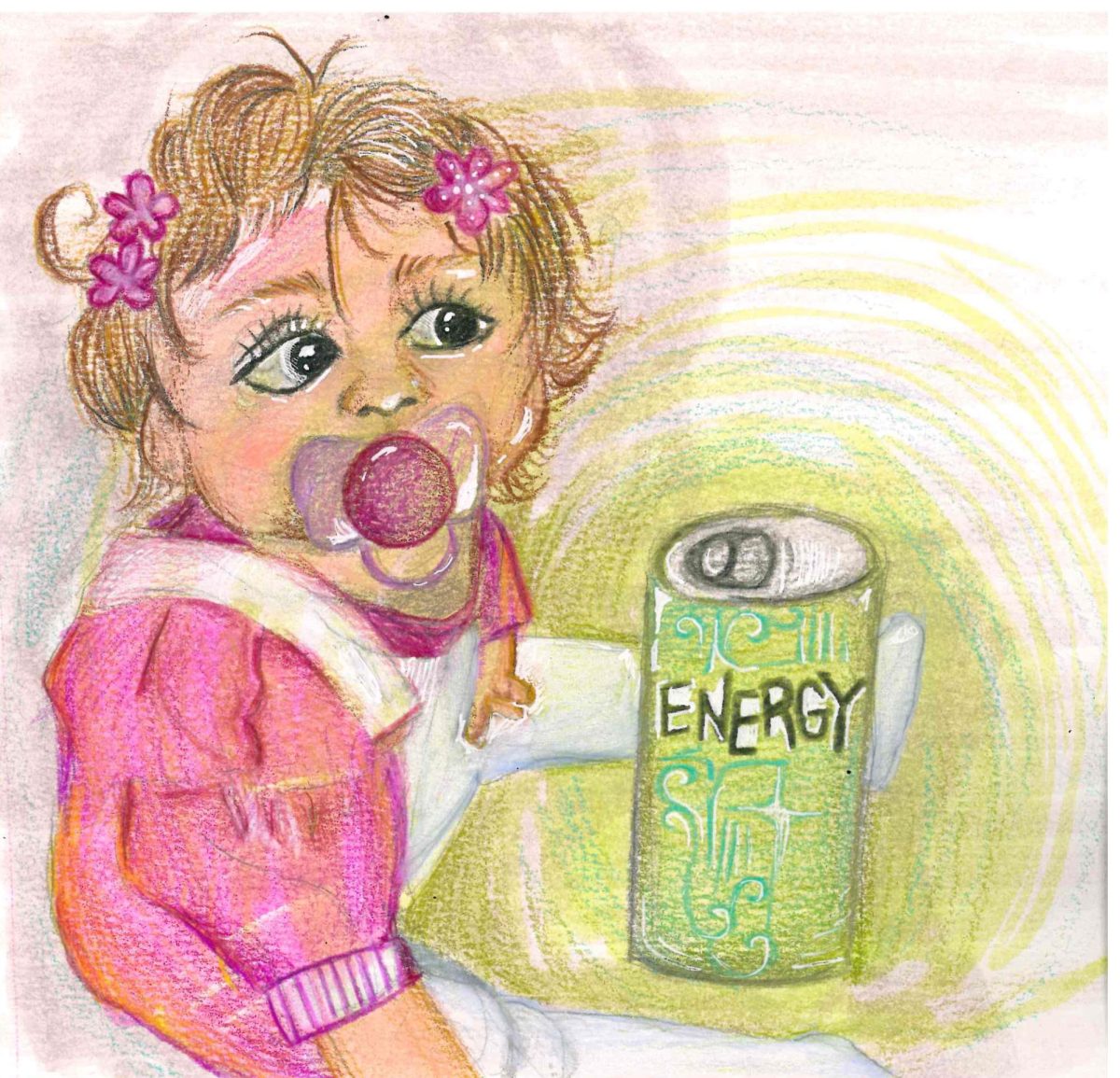
Aggressive marketing and high sugar content in energy drinks are fueling a silent health crisis among teenagers, leading to increased risks of heart palpitations, anxiety and sleep deprivation.
Despite the growing mountain of evidence regarding their negative health impacts, these beverages remain largely unregulated and are heavily marketed to minors under the guise of “performance” and “lifestyle” enhancements.
The energy drink industry uses high-octane imagery and influencer culture to embed itself in youth’s daily routine, creating a cycle of dependency that is as much psychological as it is physiological.
In recent years, the energy drink industry has pivoted its strategy to target younger demographics with vibrant packaging, exotic flavors, and strategic celebrity partnerships.
According to recent market research, nearly 30% of adolescents regularly consume energy drinks. Unlike coffee, which is typically consumed hot and slowly, energy drinks are marketed as “thirst-quenchers” and “refreshments,” leading to rapid consumption of dangerously high levels of caffeine in short periods.
For a developing brain and body, the sheer volume of stimulants found in a single can can be overwhelming. Some popular brands now contain upwards of 200-300mg of caffeine, which is equivalent to three strong cups of coffee.
When consumed by a teenager weighing significantly less than an adult, the physiological impact is not just doubled; it is magnified to the point of toxicity.
Physiological impacts include cardiovascular strain, such as rapid heart rate and increased blood pressure, alongside profound neuroligical dissruptions like chronic insomnia, severe anxiety, panic attacks, and extreme irritability.
This is creating a generation that is physically present in the classroom but mentally exhausted.
Beyond the caffeine, the high sugar content, sometimes exceeding 15 teaspoons per can, contributes to the growing epidemic of childhood obesity and Type 2 diabetes. The “crash” that follows the initial sugar and caffeine high often leads to a “withdrawal” state where the student reaches for another can just to stay awake or focus.
Much like social media algorithms that ensure we only see content that fits our preferences, the lifestyle branding of energy drinks ensures that youth see these products only as tools for success.
By sponsoring esports tournaments, extreme sports athletes, and popular streamers, these brands position themselves as essential for “focus” and “clutch” performance.
The lack of federal regulation regarding “energy blends,” means that the total stimulant effect is often much higher than what is listed on the caffeine label.
Education alone is not enough to combat the influence of billion-dollar marketing budgets. While some schools have moved to ban these drinks on campus, they remain easily accessible at every convenience store to anyone with a few dollars.
To protect the next generation, we must treat energy drinks with the same scrutiny as other restricted substances. We need strict age limits, implementing a minimum purchase age of 18 for high-stimulant drinks.
We must demand transparent labeling that includes clear warnings about the risks to minors.
We need marketing restrictions to limit advertisements that specifically target children through social media and gaming platforms. The health of our youth should not be the collateral damage of a profitable beverage industry.
Energy drinks hook youth by predatory marketing, chemical dependency
Modern energy drinks leverage aggressive social media marketing and extreme caffeine concentrations to target vulnerable adolescents who are often unaware of the physiological risks.
More to Discover





About the Contributor

Aimal Ahmad, Design Editor