

As some high school students struggle internally, it is essential to tend to oneself through self-care, as it can balance out mental health and overall well-being.
Poor mental health can look different for everyone, as it can stem from loneliness, stress, anger, relationships and disorders. With winter approaching, some students start to experience “seasonal depression.”
“SAD (Seasonal Affective Disorder) is a type of depression characterized by a recurrent seasonal pattern,” the National Institute of Mental Health said. “These moods can affect how a person feels, thinks and behaves.”
There are many methods and new habits that can help prevent poor mental health or SAD; however, as everyone deals with their own battles and emotions, self-care will look different for everyone.
Starting with ways to change your daily life, which can be done by getting more hours of sleep and being well-rested.
“Subjects who were limited to only 4.5 hours of sleep a night for one week reported feeling more stressed, angry, sad and mentally exhausted,” Harvard Medical School said. “When the subjects resumed normal sleep, they reported a dramatic improvement in mood.”
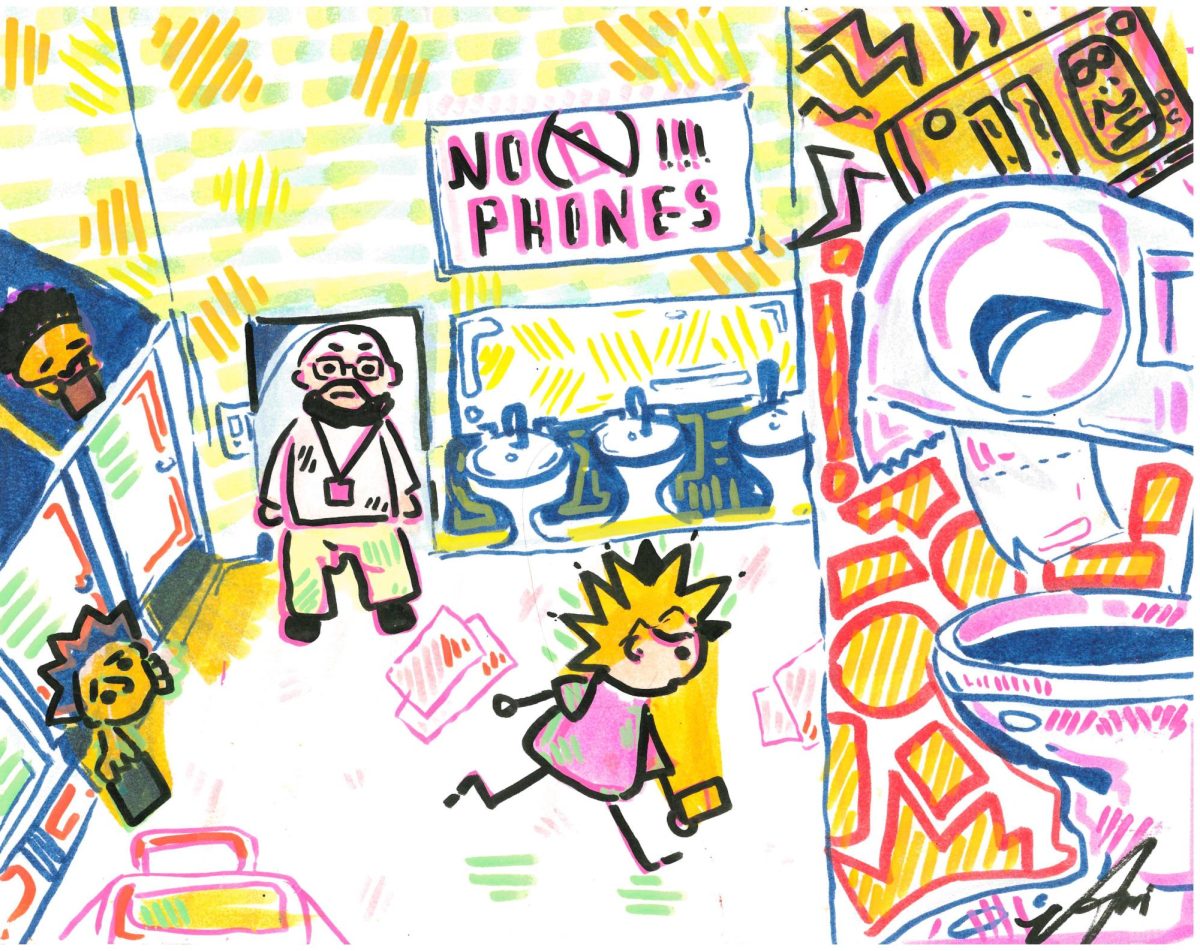
Prioritizing sleep and not feeling tired often can also stem from too much screen time.
Screen time can entail scrolling through social media too much, which then leads to comparing oneself to others, being fed fake news, cyberbullying, and overthinking.
By limiting screen time, you can foster a more positive mindset just by taking that little step.
“The limited social media group reported significantly higher positive affect and significantly lower levels of anxiety, depression, loneliness and fear of missing out,” Chris Palmer said, “at the end of the experiment compared with the unlimited group.”
Instead of spending time in front of a screen, try using some of that time outside, even if it may seem hard.
This can happen by taking a walk, reading a book on a bench, running or watching the sunrise and sunset.
It is also essential for the human body to spend time outside as it physically helps improve mental health.
“Sunlight triggers the release of serotonin and vitamin D, which are associated with boosting mood and focus and reducing stress,” Mental Health America said.
They also mention that without that sunlight, it can lead to symptoms of “depression, anxiety and other mental health challenges.”
Along with spending time outside, the sun also helps the body fall asleep, which is a factor that boosts mental health.
“Light exposure also has a direct impact on your body’s sleep,” Mental Health America said. “Consistent sleep is one of the most important factors in your well-being.”
Another way to deal with self-care is to talk to someone.
This can be a therapist, a friend or a family member.
“By paying attention and naming those feelings, we can watch them dissipate,” Psychology Today said, “fading from our minds as we become more mindful, centered and at peace.”
For some, it is easier to talk to close friends and family.
However, if one is struggling and is seeking help but is afraid to talk to a professional, they are not alone.
“Twenty-eight percent of teens have received mental health treatment of some kind, or about 8 million teens each year,” according to My Denver Therapy.
In times of low self-esteem, it is okay to take time and treat oneself.
This can be done by taking a nice warm bath, listening to your favorite music, eating your favorite meal or trying a new hobby.
It may seem difficult or overwhelming to try all these methods; one way to make it seem easier is to create a to-do list.
This can be done by being flexible about what fits a certain person and by demonstrating how these factors will be acted on and when.
Instead of keeping all these solutions in your head while also feeling mentally defeated, it can cause more stress.
“In some cases, you feel so accomplished having written your to-do list that you feel as if you’ve done enough work for the time being,” Headspace said.
Even though the actions were not implemented to feel better, just the idea and effort of writing it down is such an impactful step.
Now that these steps are laid out, it is important to just breathe. Taking deep breaths in and out to ensure everything will be okay.
In situations where it feels like the end is not visible, just remember the mind takes time to heal and reset.
It is important to still have bad days, but getting out of them is what matters.
However, when taking these steps, it will take time and it is important to remembering consistency is key.
Progress is not always linear and prioritizing oneself is not selfish.
Taking care of the mind from poor mental health
Self-care is essential as students manage stress and seasonal depression, as school work piles up. Changing different habits in everyday lifestyles is a way to help, even if it is in small steps.

More to Discover



About the Contributor

Maya Bernhauser, Social Media Editor