

As Valentine’s Day approaches, many begin to prepare gifts for their family, friends and loved ones.
This tradition, although done with good intent, can have extreme impacts on not only people’s wallets but also on small businesses and the surrounding environment.
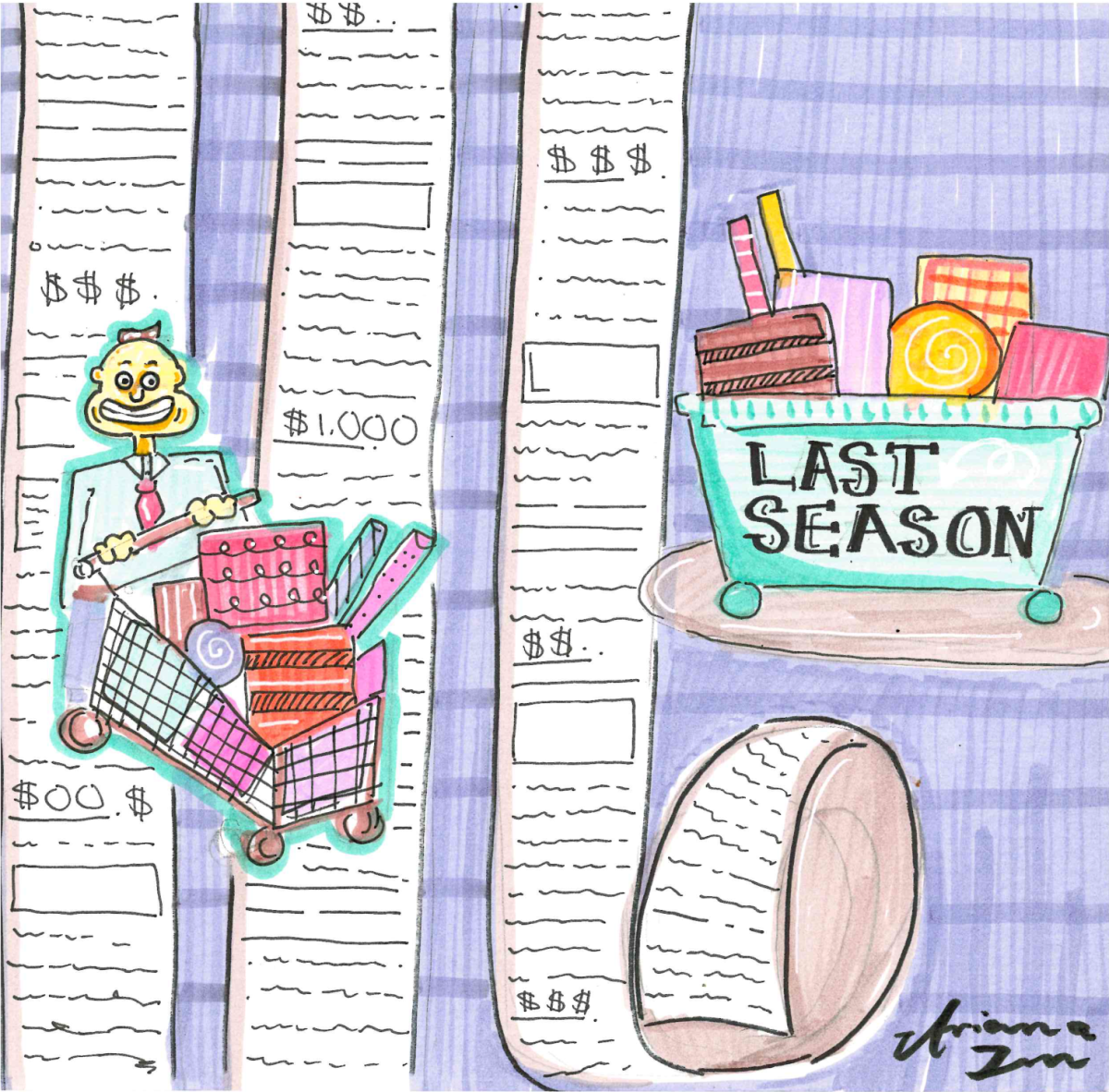
According to Capital One Shopping, Valentine’s Day spending in 2025 reached a record amount of $27.5 billion, spent on various items such as candy, jewelry, flowers and food.
“Valentine’s Day 2025 was 0.36% higher than the previous all-time high of $27.4 billion total spending on Valentine’s Day 2020,” Capital One Shopping said.
This extreme spending is only projected to grow in 2026, with a predicted $200 million increase for this February.
These gifts can be costly to many customers.
In a survey by RetailMeNot, it was revealed that “87% of American consumers say they’ll buy a Valentine’s Day gift this year and spend an average of $165 on the holiday.”
This expense and the pressure to buy gifts appear ridiculous, especially when many of the presents bought for Valentine’s Day end up in landfills not long after the holiday.
This is seen most commonly with bouquets, candies and cards.
Anna Garrison of Green Matters discusses the wastefulness of consumerism during the holidays, revealing that Americans purchase around 56.8 million bouquets, 145 million cards and 35 million heart-shaped boxes of candy for Valentine’s Day annually.
Although some parts of these gifts are compostable, such as the flowers in the bouquets, many of these items include plastic or rubber elements that cannot be broken down, like rubber bands.
“The other wasteful aspect of Valentine’s bouquets you might not notice right away is the rubber bands used to hold the bouquets together,” Garrison said. “These, too, are problematic, sending 56.8 million rubber bands to the garbage.”
The same is true for many candies and jewelry, which may come in plastic wrappings or boxes.
Even if gifts don’t come in plastic, they still may contribute to environmental strain if not disposed of properly.
“Depending on the types of cards and boxes, it would be easier to recycle or reuse these products — but sadly, not everyone thinks of the environment when they purchase these products to excess,” Garrison said.
When these items are put in landfills instead of recycling centers, they are surrounded by other garbage and sealed in, reducing airflow.
When organic waste receives no oxygen, it creates a chain reaction, releasing methane and carbon dioxide.
These greenhouse gases heat up the atmosphere and burn holes in the ozone layer, promoting global warming and knocking ecosystems off-kilter.
On top of this, many of the Valentine’s Day profits are sent to large corporations, which means less money is being spent within the community, services are less personalized and more resources are used due to shipping.
This can not only harm the environment but also communities that rely on small businesses to thrive.
According to Rachel Ledbetter of the U.S. Chamber of Commerce, Valentine’s Day “is a time for Americans to show the special people in their lives how much they mean to them, and American businesses help make this possible.”
Local businesses can bring life and culture to a community by providing more unique products and services, as well as connections or community ties to other local groups or events that make small businesses “the heart” of an area.
In order to combat climate change, consumers can redirect their business to homemade gifts and meals or local establishments that both reduce carbon emissions and bring more color to the community.
“American businesses are at the heart of creating memorable experiences with loved ones, friends and family, and patronage,” Ledbetter said, “for Cupid’s season is a vital economic boost for workers and businesses across the country.”
Cupid consumerism impacts holiday overconsumption
Through inflated holiday spending, people waste extreme amounts of money on Valentine’s Day gifts from large companies every year. This can be costly to consumers, decrease revenue to small businesses and take a toll on the environmental well-being of the earth.
Tags:
More to Discover




About the Contributor

Ari Swindells, Opinion Editor