

For many people, a pivotal part of adolescence is spending quality time with their friends and family. However, over the past two decades, public spaces have become less accessible to teenagers due to stereotyping and shifting towards more digital forms of communication.
Local spaces, especially malls, have begun to restrict their hours for minors due to fear of disruption or shoplifting caused by “mischievous” teenagers.
Willow Grove Park Mall recently adapted its Code of Conduct to say “unescorted youth shopping after 5 p.m. Monday through Saturday and 3 p.m. on Sunday must leave the mall.”
According to the mall, this rule was instated to “provide a secure and family-friendly shopping environment.” However, in reality, it makes shopping more difficult for teens and deprives them of a space to socialize.
Similar rules are being implemented all over, including curfew laws in Philadelphia City Code 10-303, which say “no parent shall knowingly permit any minor to remain in or upon any public place or any establishment” past 10 p.m.
Many of these laws or rules similar to them are based on the fallacious idea that youth are more likely to engage in illegal activity if in public spaces late at night. This stereotype causes store owners and local government to fear teenage loitering and place curfews as a result.
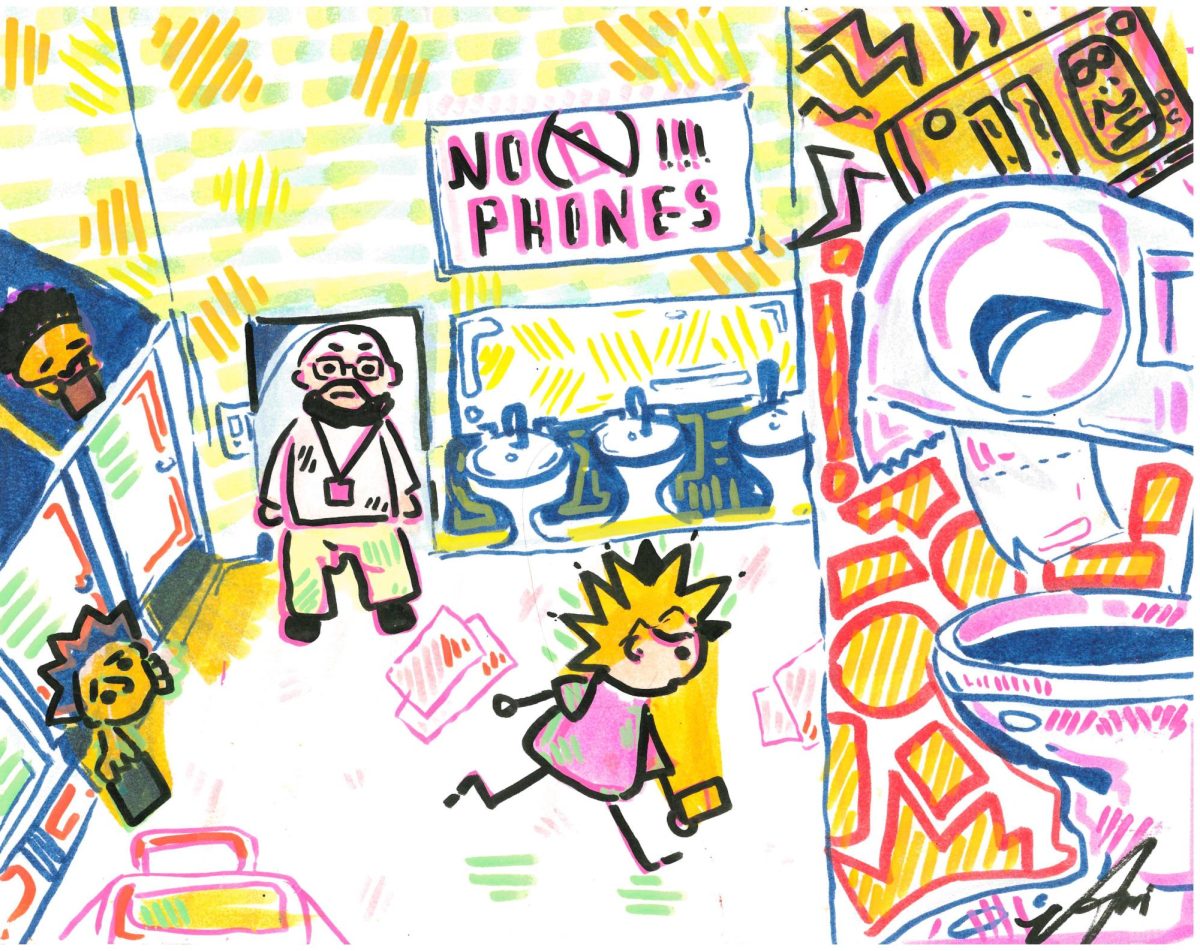
These harsh restrictions make it difficult for teens to interact with friends in person and force them to resort to social media in order to maintain friendships and communication.
According to the American Academy of Child and Adolescent Psychiatry, 90% of teenagers interact with others through social media, with an average screen time of “nine hours a day, not including time for homework.”
As more restrictions are put in place and more teens turn to social media for interactions with others, local spaces like malls and teen-oriented stores begin to go out of business.
According to Capital One Shopping Research, over the past decade, around 1,170 malls have closed every year due to being “more than twice as likely to be vacant as the average retail space.”
The absence of malls, spaces traditionally seen as sociable and intended for “hanging out,” means an absence of general spaces catered to a younger demographic.
This leaves teenagers faced with the challenge of finding ways to spend their free time, with little to no public spaces to go to. Often, teenagers will end up only being able to travel to fast-food restaurants or their local Walmart, a disappointing substitute for traditional “hang-out” spots.
From malls to FaceTime calls, the absence of ‘hanging-out’
As social media becomes more popularized and mistrust of teenagers grows, social spaces for teens become scarce. Malls appear desolate, and more age restrictions are placed, leaving teenagers wondering where to go.

Ari’s Angle
An Arrowhead Column
Tags:
More to Discover





About the Contributor

Ari Swindells, Opinion Editor